

ZeroByte Business Formation Packages
You bring the idea. We'll make it official.
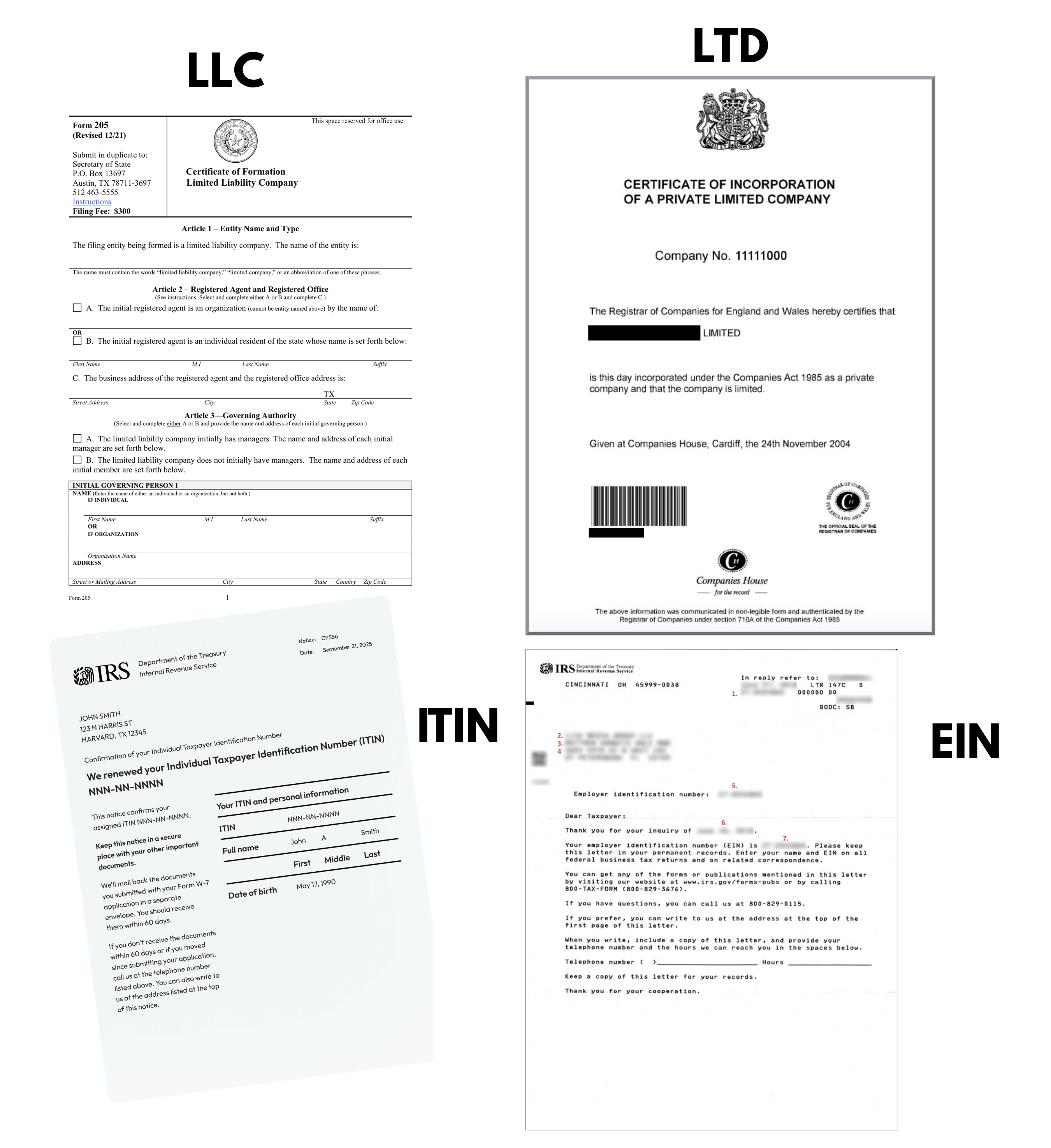
Over 1,000+ businesses formed. Choose your entity type and state to get started

Please Send Your Query In Details Which Services You Need After Submission We Will contact You!
Our Recent Amazon & Ebay Sales Stats


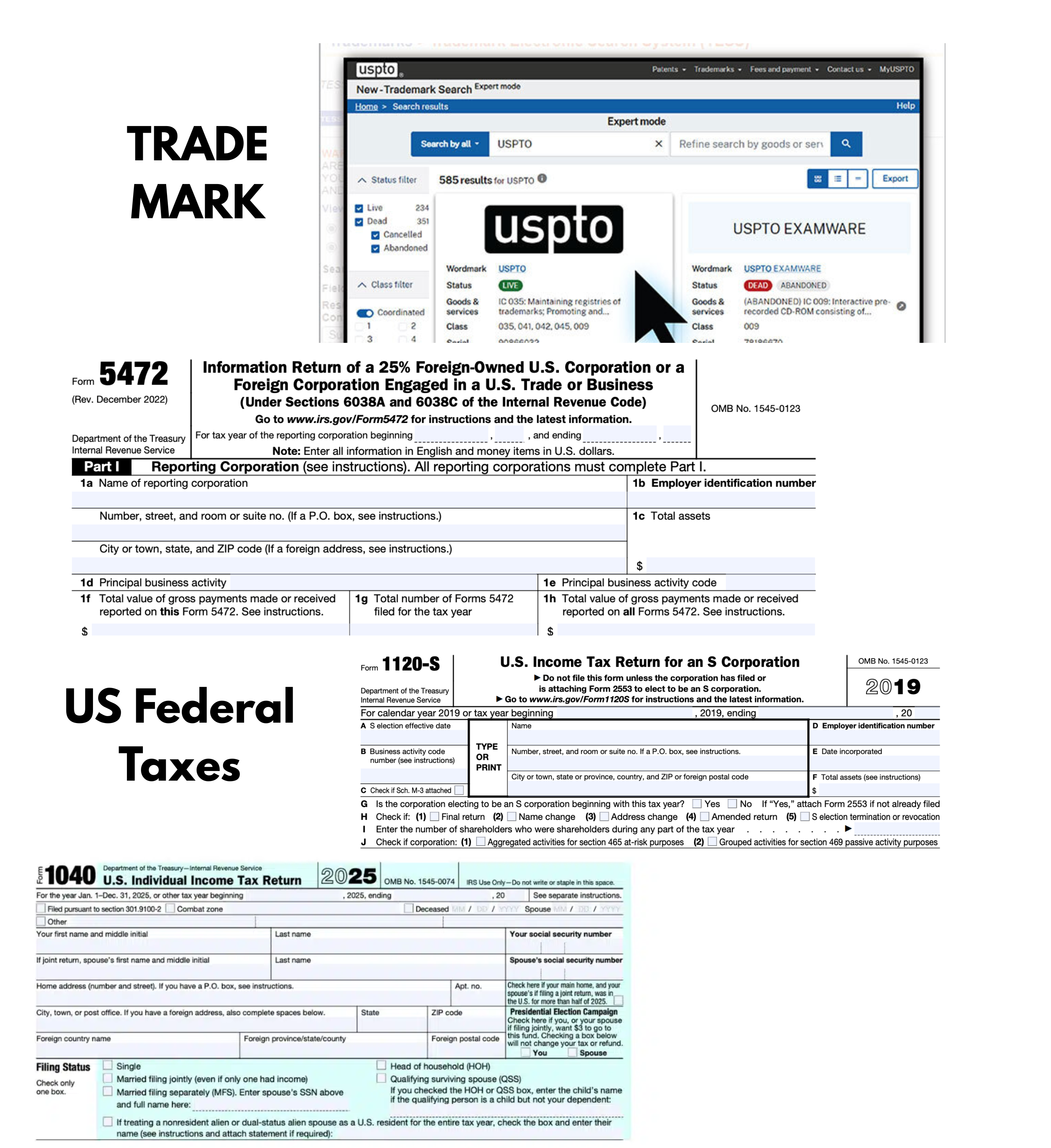
US UK Companies & File Taxation
Lets Grow Together!!
Management Method
There are two general methods by which an LLC may be managed: either Member-Managed or Manager-Managed, and the state requires us to specify the management method when an LLC is formed.
Please tell us the management structure you intend to have for your LLC initially:
What is the difference?
- Member-Managed: The members (owners) of the LLC will participate in the decision making process of the LLC.
- Manager-Managed: A manager is a person chosen by the members to manage the day-to-day operations of the LLC.

FAQ
Frequently asked questions
No. You can start a business without forming an LLC — if you operate alone without filing anything, you're automatically a sole proprietor, and with a partner, a general partnership. But neither structure separates your personal finances from your business finances, which means your personal assets are fair game if the business is sued or can't pay its debts. Forming an LLC creates that separation.
It depends on your state. The state filing fee for Articles of Organization ranges from roughly $50 to $500. Some states also charge annual report fees or franchise taxes to keep your LLC in good standing after formation. A few states, like New York, add publication requirements that can cost several hundred dollars on top of the filing fee.
To form an LLC, choose your formation state, pick a name that meets your state's requirements, appoint a registered agent, and file Articles of Organization with the Secretary of State along with the state filing fee. After approval, draft an operating agreement, apply for an EIN at irs.gov/ein, and register for any state taxes or licenses your business needs.s
We are accepting Local Banks as well International payments
No. An LLC and a corporation are distinct business structures with different legal frameworks, ownership rules, and default tax treatment. An LLC offers liability protection and flexible taxation without the formal governance requirements — like a board of directors and annual shareholder meetings — that corporations require. Some LLCs elect to be taxed as an S Corporation or C Corporation, but that's a tax election, not a change in the underlying business structure.
It depends on how many members your LLC has and whether you've made a tax election. By default, a single-member LLC is taxed as a sole proprietorship — income flows to your personal return. A multi-member LLC is taxed as a partnership by default. Either type can elect to be taxed as an S Corporation or C Corporation. A tax professional can help you figure out which structure makes the most sense for your situation.
To change information in your LLC's formation documents — like the business name, registered agent, or member details — you file an Articles of Amendment with the Secretary of State in your formation state. The process and fee vary by state. Most states let you file online through the Secretary of State's website.
Start by choosing your formation state and confirming your business name is available in that state. Those 2 decisions shape everything that follows — the filing fees you'll pay, the registered agent you'll need, and the state-specific requirements you'll have to meet. Once you have a name and state locked in, filing the Articles of Organization is the step that makes your LLC official.